What is Fascia, and why is it important for your home?
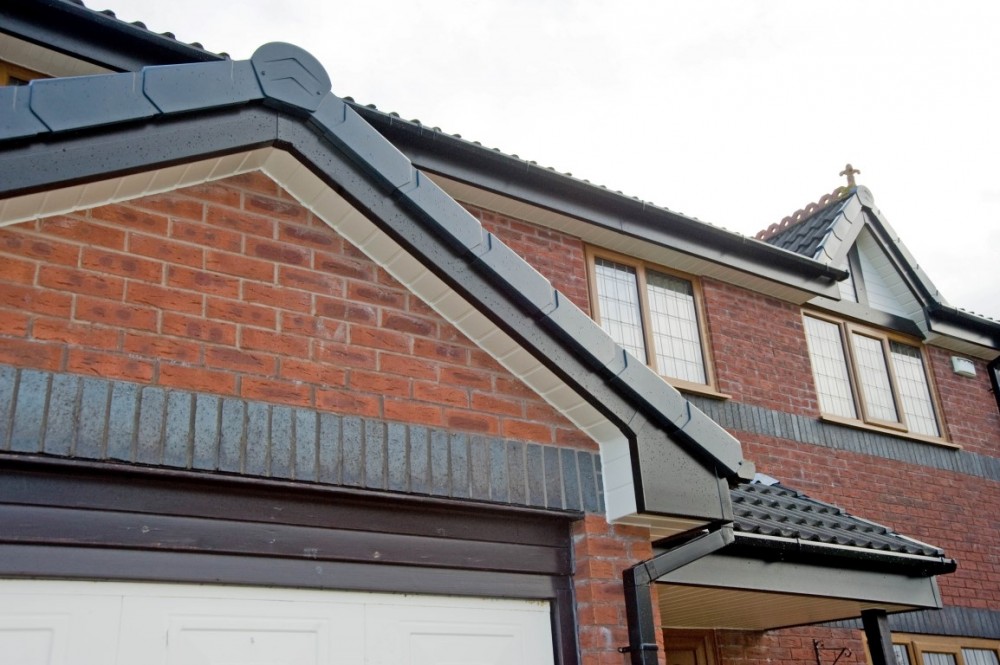
What Is Fascia?
The fascia board is the horizontal finishing board installed along the edge of the roof, directly behind the gutters. It covers the ends of the roof rafters or trusses and forms the outer face of the roofline.
You’ll typically see fascia running along:
- Roof eaves
- Gable edges
- Overhangs where gutters are attached
Common fascia materials include:
- Wood (cedar, pine, fir)
- Aluminum-wrapped wood
- PVC or composite fascia
- Fiber cement boards
Why Fascia Is Important for Your Home
Fascia is much more than decorative trim. It serves several technical and protective functions.
1. Structural Support for Gutters
One of fascia’s most important jobs is providing a secure mounting surface for gutters.
Without a properly installed fascia board:
- Gutters can sag or detach
- Water may overflow near the foundation
- Ice buildup may damage the roof edge in winter climates
2. Protection Against Water Intrusion
Fascia helps seal the roof edge and prevents moisture from entering vulnerable roof components.
A properly detailed fascia works with:
- Drip edge flashing
- Soffit ventilation
- Eavestrough systems
This prevents rot and decay at the roofline.
3. Prevents Pest and Wildlife Entry
Open rafter ends and roof gaps are common entry points for:
- Birds
- Squirrels
- Wasps
- Rodents
Fascia creates a barrier that closes off these exposed edges, reducing infestation risk.
4. Supports Soffit Panels and Ventilation
Fascia connects directly to the soffit system underneath the roof overhang.
Together, fascia + soffit provide:
- Finished roof appearance
- Proper attic ventilation
- Reduced risk of condensation and mold
Good ventilation is especially important in Canadian climates with snow loads and freeze–thaw cycles.
5. Improves Exterior Appearance and Roofline Finish
Architecturally, fascia provides a clean, straight edge that defines the roof perimeter.
Design benefits include:
- Crisp modern rooflines
- Enhanced curb appeal
- Seamless integration with cladding and trim systems
Fascia is often color-matched to siding, soffit, or metal roofing accents.
Typical Fascia Assembly (Technical Note)
A proper roof-edge detail includes:
Roof shingles/metal roofing → drip edge flashing → fascia board → gutter hangers attached to fascia → soffit venting below → continuous WRB behind trim
Correct flashing is essential to prevent trapped moisture.
Signs Fascia Needs Repair or Replacement
Watch for:
- Peeling paint or staining
- Soft or rotting wood
- Loose gutters
- Animal nesting near the eaves
- Water dripping behind gutters
Damaged fascia can lead to roof edge failure if ignored.
Final Takeaway
Fascia is a key building-envelope component that:
- Protects roof edges from moisture
- Supports gutters
- Improves ventilation performance
- Prevents pests
- Enhances exterior design
Even though it’s often overlooked, fascia is essential for both durability and curb appeal, especially in harsh climates.
Technical Comparison of Fascia Materials
Focus: Wood vs Aluminum vs PVC vs Fiber Cement
1) Wood Fascia
Material Composition & Science
Natural wood fascia is typically milled from claddings or trim lumber such as cedar, pine, or fir. Wood’s cellular structure provides good workability and fastener holding strength. However, wood is hygroscopic (absorbs moisture) and must be protected from the weather to prevent decay.
Typical grades:
- Clear vertical grain cedar (premium)
- Select structural lumber (common)
- Spruce/pine/fir (economical)
Pricing (Approximate)
| Component | Material Cost | Installed Cost |
|---|---|---|
| Cedar fascia board | CAD $4.00–$8.00/ft | CAD $10.00–$18.00/ft |
| SPF wood fascia | CAD $2.50–$5.00/ft | CAD $8.00–$15.00/ft |
Prices vary with board thickness, grade, and region.
Performance & Best Uses
Pros
- Traditional aesthetic
- Excellent fastener holding
- Can be stained or painted
Cons
- Prone to rot if not detailed
- Requires regular maintenance
- Sensitive to moisture without proper drip edges
Best Use Scenarios
- Traditional/heritage homes
- Regions where natural wood is desired
- When painted or stained finishes are part of the design
Installation Notes
- Must be primed/painted on all six sides if exposed
- Backfed drip edge needed to shed water
- Close attention to roof/wall interfaces to avoid trapped moisture
2) Aluminum Fascia
Material Composition & Science
Aluminum fascia is formed from rolled aluminum alloy (often 0.024–0.040″ gauge) with a factory-applied baked enamel or PVDF coating. Aluminum does not rust and offers high corrosion resistance.
Pricing (Approximate)
| Component | Material Cost | Installed Cost |
|---|---|---|
| Aluminum fascia (standard) | CAD $6.00–$10.00/ft | CAD $12.00–$20.00/ft |
Premium PVDF-painted fascia may be at the upper end.
Performance & Best Uses
Pros
- Non-rusting and highly durable
- Low maintenance
- Good for coastal/marine climates
Cons
- Can dent with impact
- Thermal expansion can cause oil-canning if not detailed
Best Use Scenarios
- Coastal British Columbia
- Modern/industrial architectural styles
- Metal roofs where the trim matches the metal cladding
Installation Notes
- Install over a flat plane substrate or furring
- Use slotted holes for thermal movement
- Integrate drip edge and soffit conditions carefully
- Fasteners must be corrosion-resistant (stainless or aluminum)
3) PVC (Vinyl/Cellular PVC) Fascia
Material Composition & Science
PVC fascia is extruded polyvinyl chloride or cellular PVC with UV stabilizers and impact modifiers. Cellular PVC has thicker walls and a denser foam core for rigidity.
Pricing (Approximate)
| Component | Material Cost | Installed Cost |
|---|---|---|
| PVC fascia board | CAD $8.00–$12.00/ft | CAD $15.00–$25.00/ft |
| Cellular PVC (premium) | CAD $10.00–$15.00/ft | CAD $18.00–$30.00/ft |
Performance & Best Uses
Pros
- Water-resistant and rot-proof
- Paintable
- Consistent, defect-free product
Cons
- Can expand/contract with temperature
- Cost is higher than wood or aluminum
- Impact resistance varies with thickness
Best Use Scenarios
- High-moisture regions
- Homes with decorative trim where paint durability matters
- Where low maintenance is prioritized
Installation Notes
- PVC requires backer blocks or nailing substrate
- Use PVC-compatible caulks/fasteners
- Allow for expansion gaps at butt joints
4) Fiber Cement Fascia
Material Composition & Science
Fiber cement fascia is made from Portland cement, silica sand, and cellulose fiber. It is dense, dimensionally stable, and non-combustible.
Pricing (Approximate)
| Component | Material Cost | Installed Cost |
|---|---|---|
| Fiber cement fascia | CAD $10.00–$14.00/ft | CAD $18.00–$30.00/ft |
Prices include trim accessories and corrosion-resistant fasteners.
Performance & Best Uses
Pros
- Fire-resistant (non-combustible)
- Excellent dimensional stability
- Long service life
Cons
- Heavy and requires careful handling
- Higher labour cost
- Silica dust during cutting (PPE required)
Best Use Scenarios
- High-fire codes/cities
- Homes with fiber cement siding for a unified material palette
- Sites with hail or impact concerns
Installation Notes
- Install with WRB and proper flashings
- Protect cut edges with primer
- Fasteners must be stainless or hot-dip galvanized
- Integrate with soffit junctions and roof edge flashing
Building Code & Climate Considerations
| Material | Fire Rating | Moisture Resistance | Freeze–Thaw |
|---|---|---|---|
| Wood | Combustible | Moderate (needs detail) | Sensitive |
| Aluminum | Non-combustible | Excellent | Excellent |
| PVC | Combustible | Excellent | Good |
| Fiber Cement | Non-combustible | Excellent | Excellent |
- In wildfire exposure areas (e.g., BC Interior), non-combustible fascia (aluminum, fiber cement) is often preferred or required.
- Coastal climates benefit from non-corroding materials (aluminum, PVDF finishes).
- In freeze–thaw zones, materials with low water absorption perform best (PVC, aluminum, fiber cement).
Performance Summary
| Material | Lifespan | Maintenance | Aesthetic Flexibility |
|---|---|---|---|
| Wood | 20–40+ yrs | High | Excellent |
| Aluminum | 30–50+ yrs | Low | Good |
| PVC | 30–50+ yrs | Very low | Excellent |
| Fiber Cement | 40–60+ yrs | Moderate | Very Good |
Best Use Scenarios (Practical)
- Most economical, durable option: Aluminum
- Best match for traditional aesthetics: Wood (cedar) or PVC painted
- Highest fire/longevity performance: Fiber cement
- Best for low maintenance and paintability: PVC
Summary & Guidance
| Property | Wood | Aluminum | PVC | Fiber Cement |
|---|---|---|---|---|
| Fire Resistance | Poor | Excellent | Poor | Excellent |
| Moisture Durability | Moderate | Excellent | Excellent | Excellent |
| Maintenance | High | Low | Low | Moderate |
| Impact/Dent Resistance | Good | Moderate | Moderate | High |
| Thermal Movement | Low | High | Moderate | Low |
| Best in Canadian Climate | Yes w/ detail | Yes | Yes | Yes |
Recommendation Checklist: ✔ If you want a traditional look with paint/stain: Wood or PVC ✔ For low maintenance: Aluminum or PVC ✔ Where fire code matters: Aluminum or Fiber cement ✔ For premium longevity: Fiber cement