Board & Batten: Top 5 materials used for siding
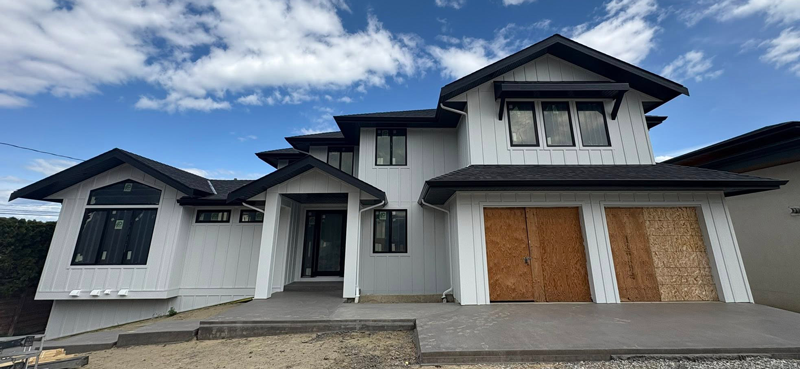
A bit of history. Board and batten siding has a rich history, starting in Northern European countries like Norway and Sweden, where it was used to protect homes from harsh weather. It was later brought to North America by settlers and became popular, particularly for outbuildings like barns and sheds.
Board and batten siding, also sometimes referred to as “barn siding,” is a traditional style of siding characterized by wide, vertical planks (the “boards”) with thin vertical strips (the “battens”) placed over the seams between them. This design provides a textured, vertical appearance that can be rustic or modern, depending on the materials and design choices.
WHAT IS BOARD AND BATTEN SIDING?
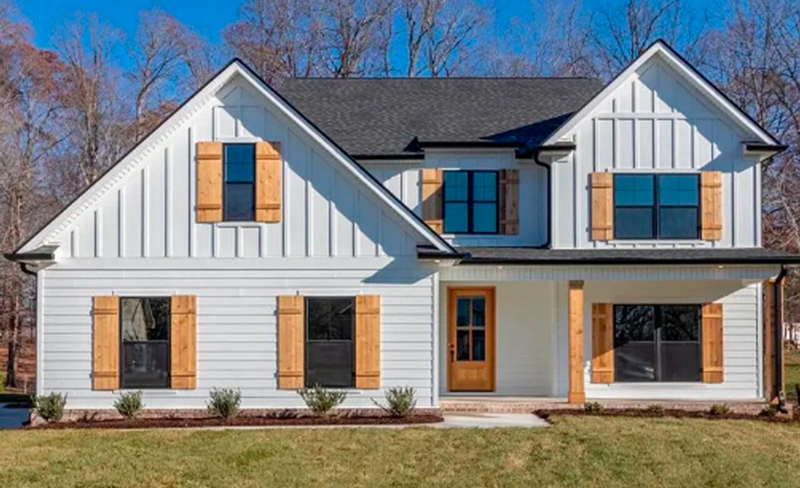
Homesteaders and farmers would use sawmills to cut the long boards, and the battens were put in place to make the structure as airtight as possible. Farmers embraced the style when building barns because the technique was inexpensive, assembly was relatively simple, and the result was energy efficient.
Today, wide panels are used as the primary siding and the batten strips are typically decorative, which gives home designers lots of creative license.
Often made from wood, vinyl, or fiber cement, board and batten siding is renowned for its durability and versatility in style. It can evoke a rustic, farmhouse aesthetic or be tailored for a more modern look. This siding option is also valued for its ease of installation and maintenance.
Board & Batten Siding is available in a variety of sizes with common overall combined widths of 6.5”, 9.5”, 12.5” (16.5, 24.1, 31.8 cm) and depths of 1”-1.5” (2.5-3.8 cm). The widths of battens are typically between 1.5”-3.5” (3.8-8.9 cm) with board widths of 6”-12” (15.2-30.5 cm).
BOARD AND BATTEN SIDING BENEFITS
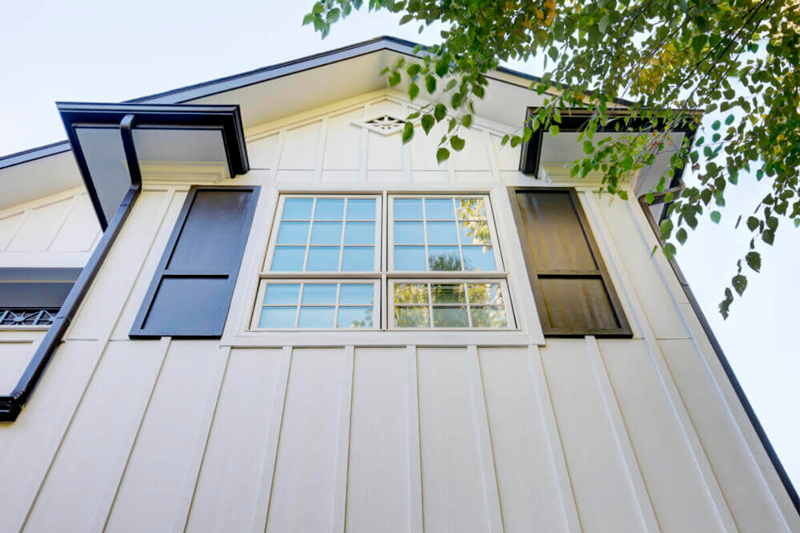
When it comes to siding options, board & batten stands out as a traditional and adaptable solution that has numerous advantages. Discover how the timeless elegance and useful benefits of this traditional method can enhance the exterior of your home.
Aesthetic Appeal: Board & batten siding adds a touch of traditional warmth and rustic character to any home. Its unusual vertical lines produce an eye-catching texture that goes well with farmhouses and modern kinds of architecture.
Durability: Crafted from high-quality materials like fiber cement, board and batten siding boasts exceptional durability. It can withstand the harshest weather conditions, including heavy rain, snow, and UV rays, ensuring your home remains protected and beautiful for years to come.
Design Versatility: Modern board and batten siding allow for creative expression and customization. With options for wider panels and decorative battens, homeowners and designers can play with spacing, colors, and siding profiles to achieve a personalized and unique look.
Low Maintenance: Unlike wood siding that may require more frequent upkeep, board and batten style made with fiber cement needs minimal maintenance. Its resistance to rot, pests, and weather means you can spend less time on maintenance and more time enjoying your home.
Longevity: Board and batten siding’s robust construction is very durable, providing lasting beauty and protection to your home for decades. Its ability to resist warping, cracking, and shrinking adds to its longevity.
Potential for Increased Property Value: Investing in a board and batten style look can boost your home’s curb appeal and overall value. Potential buyers often appreciate the timeless charm and durability of this siding style choice, potentially making your property more attractive in the real estate market.
BOARD AND BATTEN SIDING MATERIALS
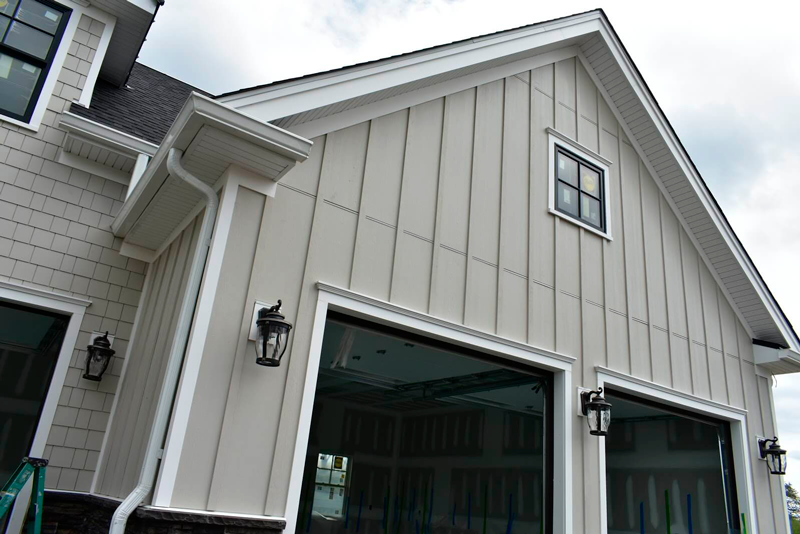
If you think that wood is the only material used in board and batten siding, you are wrong.
The market currently offers 5 main materials for this type of siding: natural wood, engineered wood, vinyl, metal (steel and aluminum), and fiber cement. Each presented material has its main benefits and drawbacks. Let’s consider them.
Natural Wood
Pros: eco-friendliness, recyclable material, many types of wood, customization options.
Cons: maintenance (you’ll have to constantly stain the siding, deal with termites, mold, and mildew, and please keep in mind that natural wood is not fireproof) and high price.
Engineered Wood
Pros: visually like natural wood, lower cost, low-maintenance (highly resistant to pests, mold, warping, and fungus).
Cons: not eco-friendly, less natural finish, the manufacturing process tends to release dioxins.
Vinyl
Pros: cost-effective solution, low-maintenance (no dust, dirt, or mold sticks to its slick surface), quick to install, and easy to repair.
Cons: not eco-friendly, prone to fading
Metal
Pros: easy to maintain, impressive strength and longevity (repels insects and pests).
Cons: complex panel replacement.
Fiber Cement
Pros: environmentally neutral, fireproof (unaffected by heat and flames).
Cons: complexity of installation (heavy and difficult to cut), requires occasional repainting.
Feel free to contact us to learn more about board and batten siding: by email, by phone +1 250-899-4218, or by our contact form!
[Sources: https://www.jameshardie.com/blog/explore-exterior-design/guide-to-board-and-batten-siding/
https://www.remodelingcalculator.org/board-and-batten-siding/]