Hardie Panels
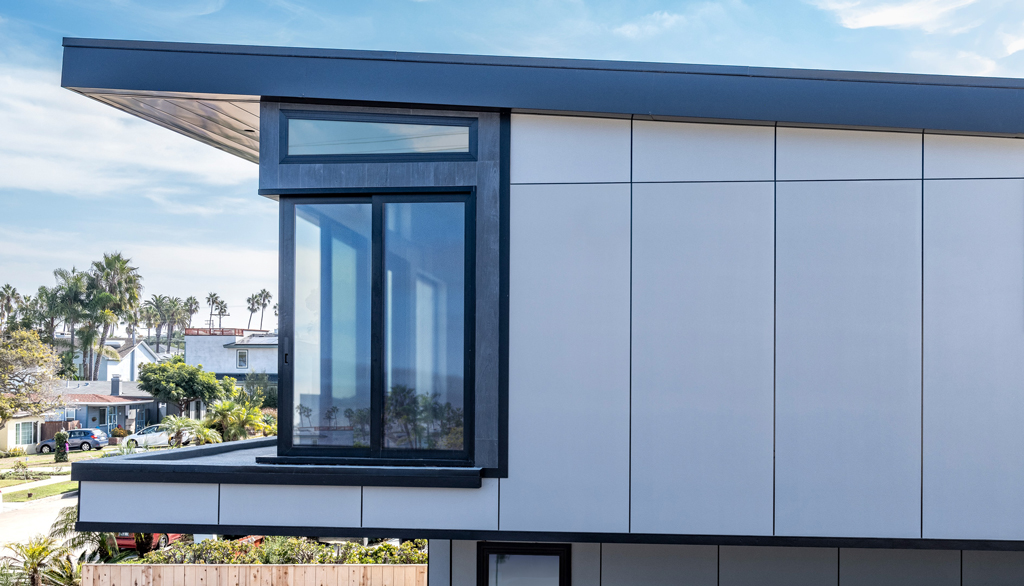
Hardie Panels in Canada — Technical Guide to Vertical Fiber Cement Siding
Residing your house with Hardie Panels vertical siding — or combining them with HardiePlank® lap siding — is a powerful way to add visual impact and long-lasting performance to a home exterior. Hardie Panels, part of the James Hardie® family of fiber cement products, are engineered cladding systems designed to replicate the look of wood siding with enhanced durability, fire resistance, and minimal maintenance. These characteristics make them especially appealing in the wide range of Canadian climates, where freeze–thaw cycles, rain, wind, and sun exposure place higher demands on exterior materials.
1. What Hardie Panels Are
Hardie Panels (sometimes referred to generically as HardiePanel® vertical siding) are fiber cement siding panels manufactured by James Hardie. They consist of Portland cement, sand, cellulose fibers, and proprietary additives, creating a dense, rigid board that resists many of the weaknesses associated with wood siding. Hardie Panels are engineered to offer:
- Fire resistance — Class A non-combustible performance.
- Moisture and rot resistance — Unlike wood, fiber cement won’t absorb water and swell when properly installed.
- Pest and insect resistance — Rodents and insects cannot easily damage fiber cement panels.
- Dimensional stability — Hardie Panels endure wide temperature swings without warping or splitting.
James Hardie’s products are developed under their Engineered for Climate® system, using regional HardieZone® guidelines to ensure the panels are suited for local weather patterns across North America, including cold Canadian winters.
2. Types & Profiles
Hardie Panels are available in several vertical panel types and finishes, allowing designers and homeowners to choose styles ranging from traditional board-and-batten to sleek contemporary façades.
HardiePanel Vertical Siding
- Standard vertical boards typically sized around 5/16″ thick with widths commonly around 48″ (4 ft) and lengths up to 96″ (8 ft) or 10 ft, depending on supplier availability.
- Cedarmill texture — Mimics the grain and texture of natural wood.
- Smooth finish — Contemporary, clean look with deeper shadow lines.
- Stucco texture — A textured surface option for a unique character.
Panels are often paired with HardieTrim® boards or battens to create board-and-batten designs or emphasize architectural lines.
Combining with Other Hardie Products
Hardie Panels are frequently mixed with:
- HardiePlank® lap siding — Horizontal boards that complement vertical panels.
- HardieShingle® shakes — Textured panels for gables or accent walls.
- HardieTrim® — Complementary trim elements to finish corners and openings.
This flexibility allows architects and homeowners to craft varied façades that balance tradition with modern lines.
3. Pricing
Pricing for Hardie Panels in Canada varies with panel type, finish, size, colour, and region, but the following general guidelines are typical.
Material Costs
- HardiePanel vertical siding panels (e.g., 5/16″ × 4′ × 8′ primed or cedarmill) are often listed in retail listings at about CAD $70–$105 per panel.
- That equates to around CAD $2.75–$4.00+ per sq. ft. of material when measured by coverage, before trim and accessories.
Professional siding contractors and building envelope suppliers commonly list material-only pricing for fiber cement vertical panels in the ~CAD $3.00–$4.50 per sq. ft. range.
Installed Costs
According to industry pricing examples specific to Canadian markets (e.g., Calgary), HardiePanel materials cost roughly CAD $3.00–$4.50 per sq. ft., and installation labour adds CAD $4.00–$7.00 per sq. ft., yielding typical installed costs from about CAD $7.50–$12.00 per sq. ft. for standard jobs.
For custom finishes, ColorPlus® Technology (factory-applied paint), or complex designs that require more trim and detailing, costs will trend higher — potentially CAD $10–$20+ per sq. ft. installed depending on project specifics and location.
Supply vs installation pricing can vary across Canada. Urban centres like Toronto and Vancouver often have higher labour rates, while more rural areas may be less expensive.
4. Installation Overview
Proper installation is critical for Hardie Panels to deliver performance and maintain warranty coverage. James Hardie provides detailed technical guides and installers typically follow local building codes for fiber cement cladding.
Substrate & Weather Barrier
- Weather-resistive barrier (WRB): Installed over the sheathing to create a drainage plane and control moisture movement behind the panels.
- Furring strips or strapping: Often used to create a ventilated rainscreen assembly, especially recommended in areas with high precipitation or humidity.
Fastening & Detailing
- Panels are nailed or screwed to the substrate using corrosion-resistant fasteners, spaced per manufacturer instructions.
- Vertical installation typically uses Z-flashings and trim to cap panel edges and shed water.
- Flashing at windows, doors, and penetrations must be correctly integrated to prevent water ingress.
Cutting & Handling
- Fiber cement requires appropriate cutting tools (diamond-tipped blades and dust collection) due to silica dust potential. Protective gear is mandatory.
Climate Considerations
- Installation in winter requires care in cold temperatures, as adhesives and fasteners behave differently in freezing conditions. Most contractors aim to install siding in temperate months when possible.
5. Suppliers & Where to Buy
Hardie Panels are widely distributed across Canada through:
Major Retailers
- Home Depot Canada — Stocks various James Hardie siding products including vertical panels and related accessories.
- Local lumber yards and building supply stores — Many carry Hardie Panels or can special order them. Examples include RONA, Home Hardware, and independent siding suppliers.
Siding Contractors
- Certified installers and exterior renovation companies often source the materials directly and install them as part of a complete exterior renovation. Many contractors have access to larger assortments, including ColorPlus® Technology panels and trims.
Online Marketplaces
- Resale or clearance Hardie Panels may appear on platforms like Kijiji or local bulletin boards, occasionally at reduced prices for leftover inventory.
James Hardie also provides a dealer locator and preferred contractor network on its Canadian site, helping homeowners connect with local suppliers and certified installers.
6. Design Uses & Architectural Applications
Hardie Panels are among the most versatile cladding products for exterior design, enabling both classic and contemporary looks:
Vertical Exteriors
- Board-and-batten facades: Hardie Panels paired with batten strips create the traditional board-and-batten style popular in farmhouse and modern rustic designs.
- Modern minimalism: Smooth vertical panels reflect modern aesthetics with long lines and stark simplicity.
Mixed Material Facades
- Combining vertical panels with HardiePlank lap siding adds texture and breaks up large wall expanses, enhancing visual interest.
- Panels can be juxtaposed with stone veneer, brick, or metal accents for a high-end, layered facade.
Accent Walls & Gables
- Vertical paneling is effective on feature walls, entryways, gables, and dormers, emphasizing height and clean geometry.
Commercial & Multi-Unit Buildings
- Hardie Panels are suitable for light commercial applications as well, providing a durable, low-maintenance cladding that satisfies building code requirements for fire performance.
7. Performance & Maintenance
Fiber cement’s key performance benefits include:
- Fire resistance and safety: Non-combustible construction helps in areas with fire codes or wildfire risk.
- Moisture resistance: Properly flashed and installed panels resist rot, swelling, and cracking.
- Low maintenance: Unlike wood, fiber cement does not require regular staining or sealing.
Maintenance typically involves:
- Periodic washing with mild detergent to remove dirt and mildew.
- Periodic caulking at seams and trim as part of normal exterior care.
Hardie Panels are backed by a limited warranty from James Hardie, covering manufacturing defects in substrate materials (consult local product literature for specifics).
Conclusion
Hardie Panels vertical siding offer a robust, long-lasting, and visually striking option for exterior home cladding in Canada. With a range of panel styles, integration with other Hardie products, and strong performance across fire, moisture, and temperature challenges, vertical fiber cement panels help create façades that blend classic appeal with modern durability. While pricing tends toward the mid-to-premium range, the lifecycle value — combined with design versatility — makes Hardie Panels a compelling solution for homeowners and builders alike.
Call us to request a free estimation:
+1 250-899-4218
Or E-mail:
legionexteriors@gmail.com