Wood Shakes
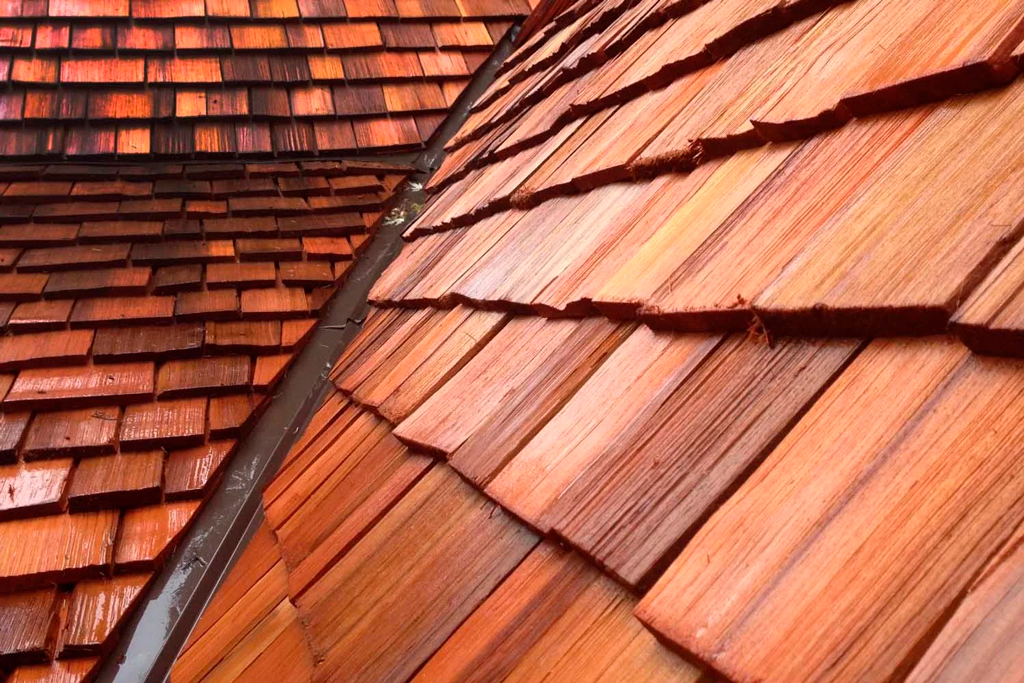
Wood Shakes: A Technical Guide to Types, Pricing, Installation, Suppliers, and Design Uses
Wood shakes have been a hallmark of premium roofing and traditional exteriors for centuries. In Canada — where climatic extremes challenge every building material — wood shake roofing and siding remain prized for their aesthetic warmth, natural insulation, and craftsmanship appeal. At the same time, they require careful specification and execution to perform well over decades. This article provides a technical overview of wood shakes in the Canadian market, focusing on material types and grades, current pricing trends, installation best practices, leading suppliers, and practical design uses.
1. Material Types and Grades
Unlike machine-cut shingles, wood shakes are thicker, have an irregular texture, and are often split rather than sawn, giving a distinctive rustic appearance. In Canada’s roofing trade, wood shakes are categorized by species, cut style, and grade:
Species
- Western Red Cedar – The most common choice in Canada. Its natural resins resist decay, insects, and moisture when installed and maintained properly.
- Other species such as teak, cypress, or tropical hardwoods are less common but available through specialty importers for high-end projects.
Cut Styles
- Hand-split shakes – Split along the wood grain; thickest, most textured, and most desirable for premium roofing.
- Tapersawn shakes – Sawn on both faces with a tapered profile; smoother appearance and more uniform performance.
- Re-sawn shakes – Sawn on one face, split on the other; a hybrid look between shingles and hand-split shakes.
Grades
Wood shake grades indicate the straightness of grain, presence of knots, and uniformity:
- Premium/Straight-grain – Highest quality, minimal knots, longest lifespan, best dimensional stability.
- Select-grade – Mix of clear and common grain, balanced cost and appearance.
- Common/Builder grade – More knots and variability, suited for less visible installations or siding.
Higher-grade shakes are typically used on roofing to ensure structural performance and longevity, while lower grades are more often specified for siding where appearance and weather exposure differ.
2. Pricing
Wood shakes have a premium price point relative to asphalt or composite roofing. Pricing depends on species, grade, and project complexity, especially in regions where labour costs are high.
Material Costs
In general terms:
| Material Type | Approx. Price (CAD) | Notes |
|---|---|---|
| Standard cedar shakes | $5 – $8 per sq. ft. | Basic quality cedar shakes |
| Premium cedar shakes | $8 – $15 per sq. ft. | Higher grade, long life |
| Hand-split premium | $10 – $18+ per sq. ft. | Top aesthetic and durability |
For siding, cedar shakes can run roughly $6 – $10 per sq. ft. installed, with premium options up to $15–$22 per sq. ft. on complex facades with finishing and treatments included.
Installation Costs
Wood shake roofing is labour-intensive due to its nailing pattern, spacing, and moisture-management detailing. Installation labour in Canada typically adds $4 – $8 per sq. ft. to material costs, and the total installed cost for cedar shake roofs often ranges between $14 – $25 per sq. ft. in many markets (BC, Ontario, Quebec).
Additional Costs
- Underlayment and ice barriers: Essential in Canada’s freeze-thaw climates.
- Removal and disposal of existing roofing: Adds to total project pricing.
- Fire-retardant treatments: Required in some jurisdictions and add 10–30 % to material cost.
Total installed costs for a wood shake roof on a typical Canadian home (≈2,000 sq ft) can range from $30,000 to $50,000+ CAD, depending on material grade, roof complexity, and regional labour rates.
3. Installation Best Practices
Successful wood shake performance in Canada relies on precise installation and attention to moisture control.
Roof Structure and Underlay
- Minimum roof pitch for effective drainage should be 4:12 or greater.
- Install synthetic ice and water barriers at eaves, valleys, and penetrations — critical in snowy regions.
- Use breathable underlayment to allow moisture movement and reduce rot risk.
Fastening and Spacing
- Use stainless steel or hot-dipped galvanized nails resistant to corrosion.
- Follow a staggered nailing pattern with controlled spacing to manage shrinkage and allow expansion/contraction.
- Avoid “green” wood with high moisture — it will shrink and open gaps post-installation.
Fire and Moisture Considerations
- In wildfire-prone areas, fire-treated shakes or alternatives may be required by code.
- In wet maritime or temperate climates (e.g., coastal BC), incorporate copper- or zinc-strip ridge caps to inhibit moss/lichen growth.
Ongoing Maintenance
- Regular inspections for split, cupped, or moss-covered shakes.
- Periodic sealing or staining every 5–7 years prolongs life and protects against rot.
4. Suppliers
Several suppliers and fabricators serve the Canadian wood shake market:
- Pacific Cedar Shake & Shingle (Ontario) – Offers Western Red Cedar shakes in various cuts and grades.
- Local sawmills and specialty timber suppliers in British Columbia and the Prairies often provide FSC-certified Western Red Cedar shakes. User accounts from builders suggest sourcing from sawmills in BC for higher-grade products.
- Roofing contractors across major cities (e.g., Vancouver, Calgary, Toronto) frequently handle both supply and installation of premium cedar shake systems.
Large building material chains may carry cedar shakes for siding applications, but custom high-grade roofing shakes are typically ordered through specialty suppliers.
5. Design Uses
Roofing
The primary use of wood shakes in Canada is premium residential roofing, particularly on heritage homes, cottages, high-end custom builds, or architectural restorations. Their irregular texture and natural wood grain create depth and shadow lines that are difficult to replicate with synthetics.
Siding and Architectural Accents
Lower-grade shakes or smaller cuts are appropriate for siding, gable ends, dormers, and decorative wall surfaces. When blended with stone, brick, or stucco, cedar shakes can soften the visual mass of facades and enhance traditional aesthetics.
Hybrid and Contemporary Designs
In contemporary design, wood shakes are sometimes combined with metal, concrete, and glass to balance warmth and modernity. However, detailing is key to avoid moisture traps.
Advantages and Limitations
Advantages:
- Natural insulation and breathability
- Exceptional aesthetic appeal
- Long service life (30–50 + years with maintenance)
Limitations:
- High upfront cost and specialized installation
- Ongoing maintenance requirements
- Fire risk in dry regions without treatment
Conclusion
Wood shakes in Canada remain a premium choice for roofing and quality siding, blending traditional aesthetics with functional longevity. Their success depends on appropriate species and grade selection, regionally adapted installation techniques, and thorough maintenance planning. Though the cost is higher than many alternatives, the visual impact and performance of properly installed wood shakes make them a compelling option for discerning homeowners and designers.
Call us to request a free estimation:
+1 250-899-4218
Or E-mail:
legionexteriors@gmail.com